Check the crown before specifying panel count
Start with the shape the cap makes on the head: the height at the front, the curve over the crown and the amount of space above the ears. Two caps with the same panel count can still have different profiles. A front view alone will not show you all the seams or any internal support.
If panel construction matters to your collection, ask for front, side, back and inside views of the exact model. Mark the profile you want to keep. For a textured or knitted-looking crown, request the construction and material details separately; surface appearance does not tell you the fiber composition.
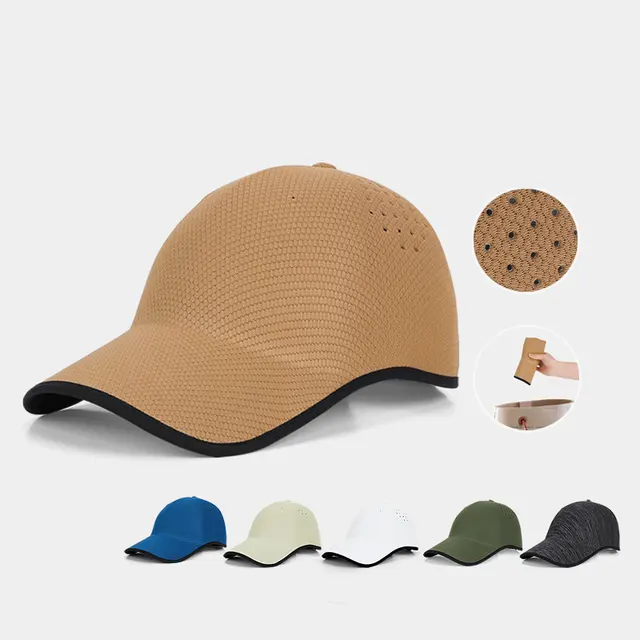
Compare peak shape from the side and above
Look at how far the peak extends at the center and how much width it has at the sides. A narrow, sharply curved peak and a broader peak produce different silhouettes, even when the crown looks similar. Have the supplier show where each measurement starts and ends so that sample dimensions can be compared consistently.
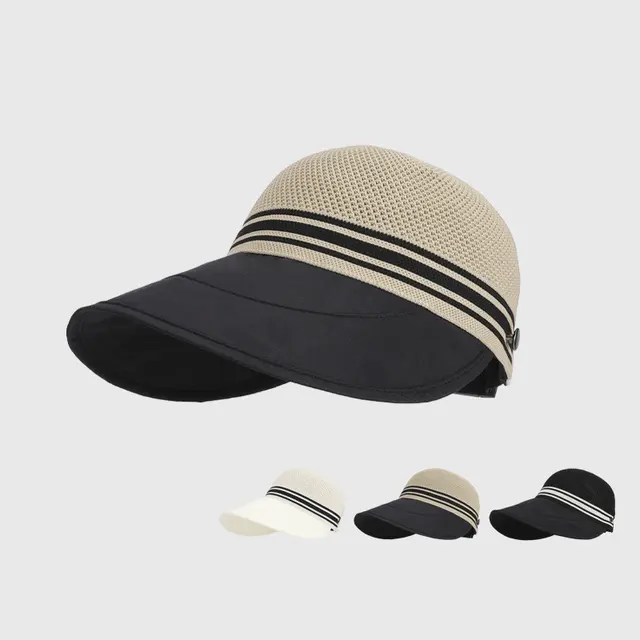
HJ-BG-8912 is a useful visual reference for a broad, curved peak and contrasting trim. Use the photograph to explain the shape you want, then check the sample on the intended wearer. Coverage in a photo is not evidence of a tested sun-protection rating.
Ask for a clear view of the back
The back of the cap is easy to miss in a product shortlist. Ask whether the exact model has an adjustable strap, another fastening or a fixed fit. If it adjusts, request the usable size range rather than simply accepting the word “adjustable.”
Check the opening, the position of the fastening and how any loose strap end is managed. Try the sample at both ends of the proposed adjustment range. For a collection aimed at customers who wear their hair tied up, include the back opening in the fit review instead of assuming every cap will work the same way.
Decide what stays and what changes
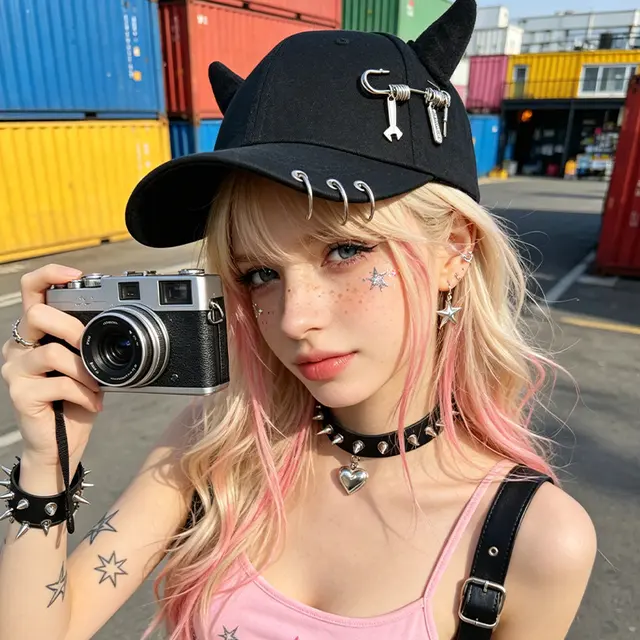
A cap with visible ornaments needs a more detailed brief than a plain reference. HJ-HZ-MB669, for example, shows pointed decorations, a large pin and metal rings. List those details individually if they are part of the look you want. Ask for close-up and inside views to review how they are attached.
For a branded version, mark the proposed logo position on a photo of the chosen model and provide the artwork with its intended dimensions. Existing seams, textured areas or ornaments may occupy the same space. Ask which changes can be made and review a decorated sample before treating the reference as an approved design.
Make your sample comparison repeatable
Use the same checks for every shortlisted model. Otherwise it is easy to compare one supplier’s undecorated sample with another sample that already includes labels, trims or different packaging. A lower quotation may simply cover a different product.
Keep a short record with the model number and photographs. It should cover:
- The intended wearer and size range, plus the agreed measurement method.
- Crown profile, peak dimensions and back adjustment.
- Declared material composition, lining and care information.
- Colors, logo dimensions and the decorations included in the price.
- Sample revisions, packing requirements and the version approved for the order.
Send a shortlist that can be priced
Start with the baseball cap collection and add the models you want to your inquiry list. Give an estimated quantity for each model and color, the destination market and the details you want to change. Ask about current availability, minimum quantities, sampling costs and delivery timing for that specific request.
For a reference-led project, use the custom hat inquiry. If you are also building a knitwear range, our beanie selection guide covers cuff and crown choices. Send the model shortlist and your notes through the inquiry form.
Send your selected models